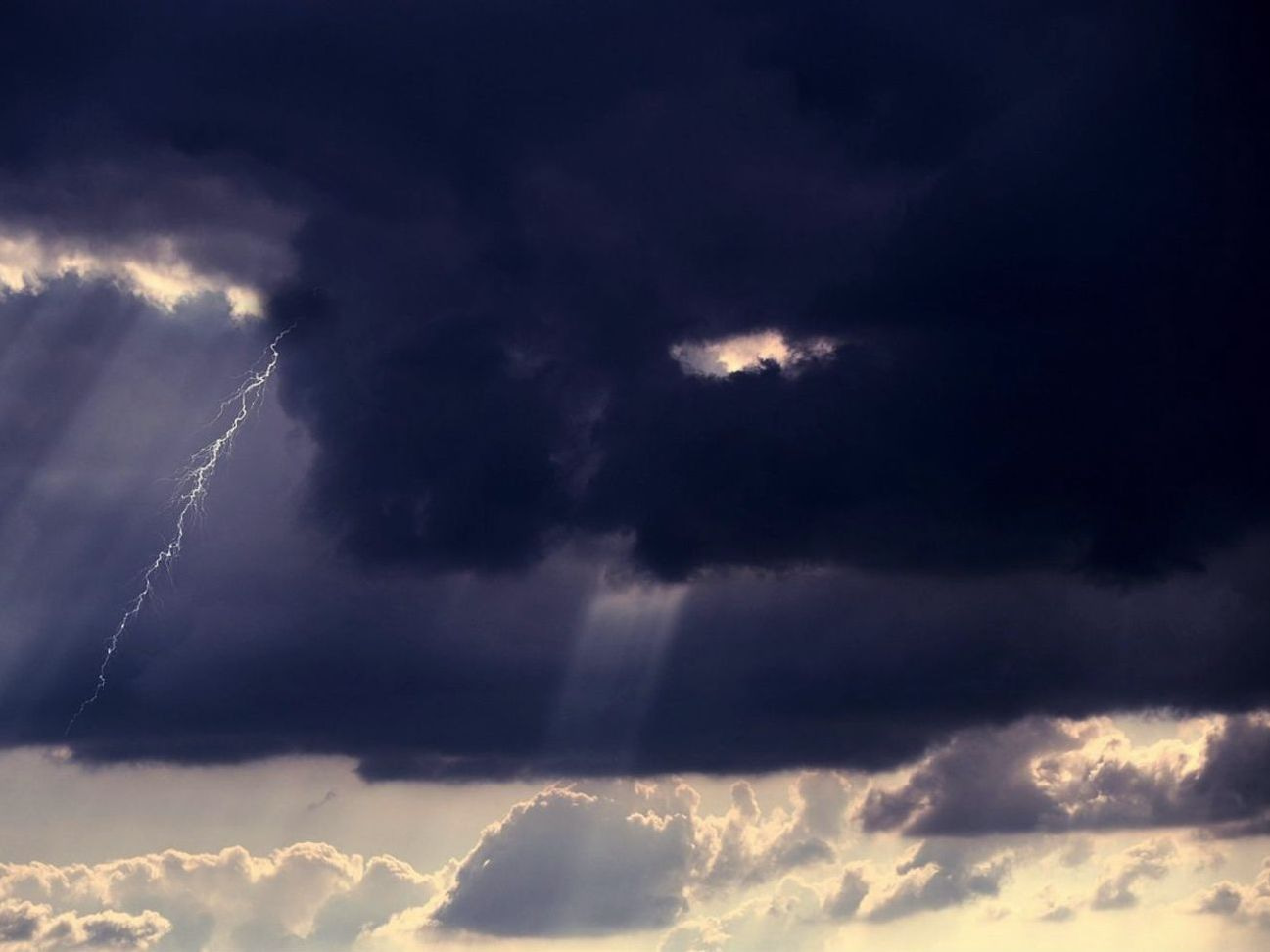
There is a stretch of storm season that belongs to almost nobody. It begins when the first dark clouds gather on the horizon and ends the moment the lightning stops coming. Anyone who has chased it will tell you the same thing: it is not the safety you go back for.
The storm is never predictable
The first surprise is how much there is to sense. With wind and pressure dropping, the air itself changes — static building, the smell of ozone before the first bolt, a shift in everything around you as the thunderstorm moves closer. People who normally calculate risk carefully find themselves frozen in place, watching the drama unfold above them.
None of this is mystical. Electrical charge accumulates in storm clouds under specific conditions, and understanding the physics does not make the moment any less overwhelming when the sky splits open.
The second surprise is how fast it all happens. A lightning bolt travels at a quarter of the speed of light, and the dramatic sky transforms in seconds — from towering clouds to fractured brightness to darkness again. The trick is to have your camera ready before the moment arrives: peripheral awareness handles the storm's timing far better than looking at your shutter speed.
There is a limit, and it is worth respecting it. Under a severe thunderstorm with hail and wind shear, the safest thing is to move to shelter and wait. Nobody hands out prizes for being struck.
What the night storm demands of you
A weather forecast you have studied carefully, which is the part almost nobody does thoroughly enough. One more layer of protection than you think you need, because the wind at the storm's edge can turn dangerous without warning. And a location you have scouted in daylight, since this is not the hour to discover your vantage point is exposed.
Also: tell someone where you have gone and when you expect to be back. This single habit is what separates the photographers who do this for years from the ones who do it twice. It costs nothing and it removes the only genuinely bad outcome from the night.
Beyond that it asks for very little. A camera with a fast shutter, a tripod that will hold in wind, and enough time that you are not watching the clock. The point is to arrive before the lightning strikes and be ready when it does.
You do not go out to photograph the storm's arrival. You go out to be there while it chooses to reveal itself.
Then the lightning arrives
It does not happen all at once, and it does not happen where you expect. Long before anything shows overhead, the light begins to shift — a glow behind distant clouds, then the suggestion of structure in the thunderstorm's anvil, then the certainty that something vast is building. Scale comes before detail does.
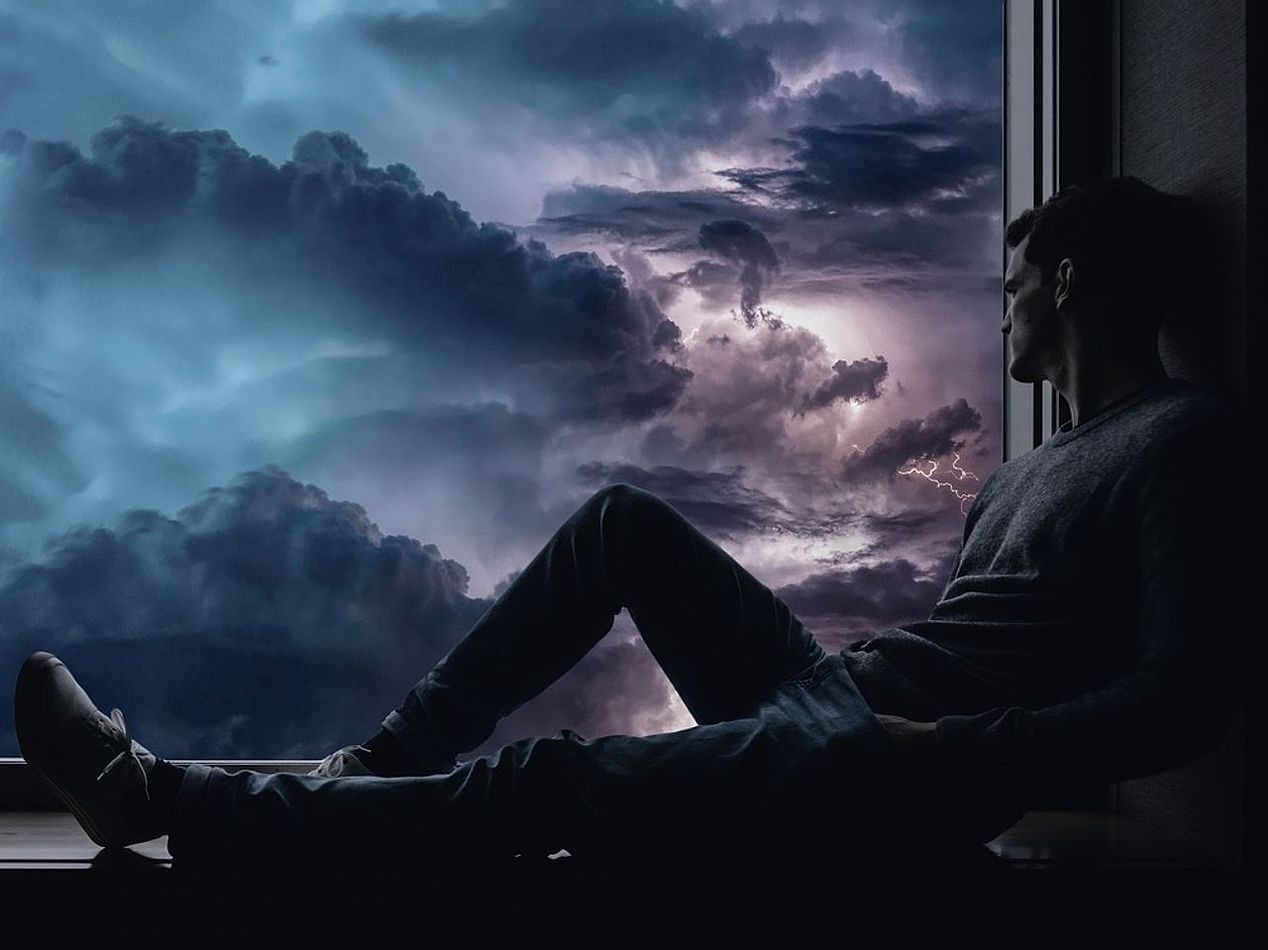
There is a short window, maybe four or five seconds, when the lightning bolt cuts downward in a branching fracture and every ridge of cloud stands illuminated. Then it fades, the thunder follows, and the night goes back to being mostly dark.
The temptation now is to review the images on your camera, and there is nothing wrong with that, though almost everyone reports the same thing. The photographs are remarkable, and they are not the experience. What a photograph cannot hold is the hour of anticipation and positioning and genuine danger that came before the bolt.
Coming back for more
The nights that fail are useful too. Storms that move away, lightning that stays inside the clouds, hours of waiting for a show that never materialized — these are what make the extraordinary nights legible. Without them the whole thing collapses into luck.
Chase often enough and the storms stop being interchangeable. You start to recognise which cells will produce the strongest lightning from the way they rotate and grow, and you are wrong often enough to keep going back. The honest reason has little to do with photographs: for one night nothing else matters, nothing can distract you, and the day's demands have not yet begun.
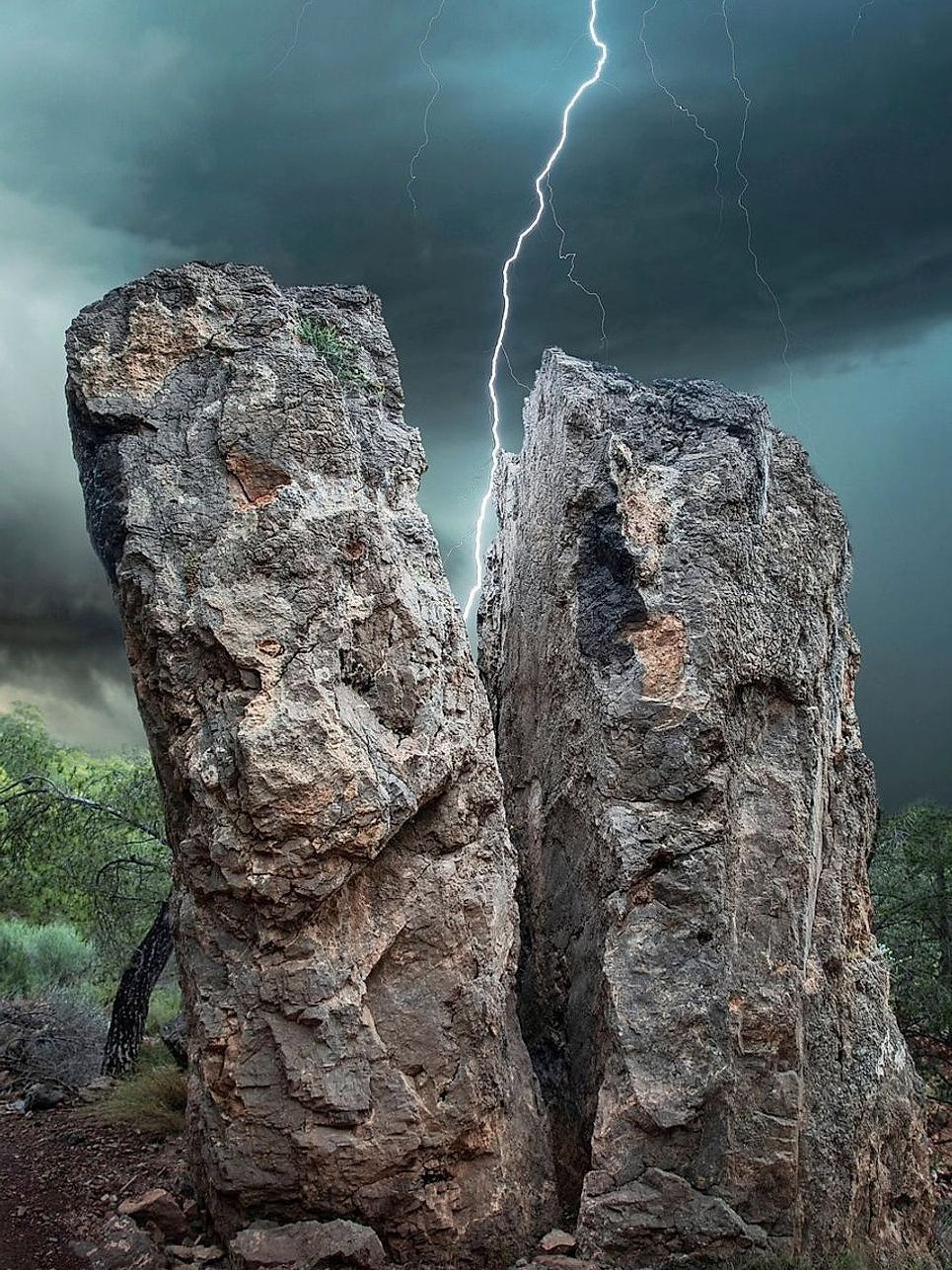
Mira K. captures thunderstorms and dramatic skies across three continents, and has documented this journal since the first strike.